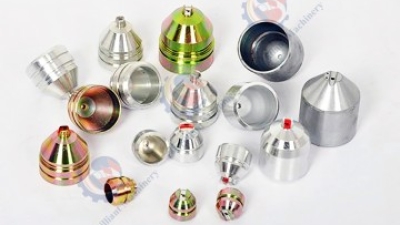
When it comes to improving how we recover hydrocarbons, choosing the right Gas Well Perforation Charges is a big deal. It might sound technical, but getting this part right can really boost overall production efficiency. I recently read a report by the Society of Petroleum Engineers—really eye-opening stuff—that shows using the right perforation techniques can bump up production rates by up to 30%. That’s a pretty significant jump and can really make a difference in how profitable the operation is. More and more, folks in the industry realize that being precise with perforation charges doesn’t just affect how easily the gas flows out; it’s also crucial for protecting the reservoir from damage.

Dr. Alex Harper, a well-known expert from PetroDynamics, puts it simply: 'Choosing the right gas well perforation charges impacts both the short-term output and the long-term health of the gas wells.' He emphasizes that picking the right type and setup for the charges is key to getting the most out of each well. It’s honestly a bit of an art and science combined—you’ve got to understand the different options out there and how to match them with your specific goals. As operators juggle designing and completing their wells, taking the time to carefully pick their perforation charges can really unlock the full potential of their gas production efforts.
Understanding Gas Well Perforation Charges: Key Terminology and Types
Gas well perforation charges are critical for maximizing extraction efficiency in the oil and gas industry. Understanding the various types of perforating charges is essential for selecting the right option for specific well conditions. The market for perforating guns is projected to experience significant growth, with a valuation expected to rise from $1.19 billion in 2025 to $1.48 billion by 2030, highlighting the increasing demand for efficient extraction techniques. Key factors driving this market include the growth in hydraulic fracturing operations, which have transformed the extraction capabilities in shale formations.
In terms of technology, perforating guns can be categorized into several types, including through tubing hollow carrier, wireline conveyed casing, and TCP (tubing conveyed perforating) systems. Each of these gun types serves a unique purpose and is designed to optimize well performance based on specific geological conditions. Additionally, the impact of the COVID-19 pandemic on the industry has spurred innovations and adjustments in operational protocols, further emphasizing the need for efficient equipment. As the industry evolves, stakeholders must stay informed about these developments to make strategic choices that enhance productivity and reduce costs.
The Role of Energy Efficiency in Gas Well Perforation: Metrics and Benchmarks
The role of energy efficiency in gas well perforation is critical for optimizing production and minimizing operational costs. According to the Society of Petroleum Engineers (SPE) report, gas well perforation efficiency can significantly influence the overall energy consumption of drilling operations, which can account for up to 30% of total operational expenditure. By selecting appropriate perforation charges that match the specific characteristics of the reservoir, operators can enhance the flow rate while ensuring minimal energy wastage.
Metrics such as perforation efficiency ratio (PER) and normalized production rates are vital benchmarks for measuring the effectiveness of perforation strategies. Industry studies indicate that a well-optimized perforation can improve the initial production rate by as much as 15-20%, directly correlating to energy savings and reduced environmental impact. Furthermore, advancements in perforation technologies, including the use of smart charges and real-time monitoring systems, are enabling operators to achieve precision perforation based on real-time data analytics, further enhancing energy efficiency in gas well operations.
Gas Well Perforation Charges Efficiency Comparison
This chart displays the efficiency metrics of different gas well perforation charges based on energy consumption and production output. The data shows a comparison of three types of perforation charges over the past year, highlighting their respective efficiencies.
Selecting the Optimal Charge Size: Balancing Performance and Cost-Efficiency
Selecting the optimal charge size for gas well perforation is crucial for maximizing both performance and cost-efficiency. A balance must be struck between the explosive energy delivered and the resultant hole size to ensure sufficient flow rates while minimizing unnecessary expenditures. Larger charges may increase initial production rates, but they can also lead to excessive formation damage or reduced productivity over time if not carefully calibrated.
When evaluating charge sizes, it is essential to consider the specific geological characteristics of the well. Different formations respond uniquely to perforation techniques, and an understanding of these dynamics will inform the ideal charge selection. Additionally, cost factors, such as the price per charge and the long-term implications of production optimization, come into play.
Thus, a thorough analysis that weighs both immediate performance gains against long-term operational costs is necessary for achieving optimal results in gas well perforation.
Evaluating Perforation Techniques: Hydraulic vs. Mechanical Approaches
In the realm of gas well perforation, choosing the right technique can significantly influence the efficiency of hydrocarbon recovery. Two primary approaches, hydraulic and mechanical perforation, offer distinct advantages and challenges. Hydraulic perforation employs high-pressure fluids to create perforations in the casing, allowing for effective reservoir access. This technique is praised for its ability to create cleaner and more efficient perforations, minimizing damage to the surrounding rock. However, it often requires significant investment in specialized equipment and skilled personnel.
On the other hand, mechanical perforation uses physical tools, such as a perforating gun, to create holes in the casing. This method is generally more straightforward and can be executed more rapidly, making it appealing for operators aiming for lower operational costs. However, it may result in less precision compared to hydraulic methods, potentially leading to additional reservoir damage.
Tips: When evaluating your options, consider the specific characteristics of the reservoir and the economic implications of each method. Furthermore, it’s essential to assess the technical capabilities of your team and available technology to ensure that the chosen method aligns with your operational goals. Always conduct a thorough feasibility study to determine the long-term impacts of the chosen perforation technique on production efficiency.
Case Studies: Successful Applications of Perforation Charges in Major Fields
In the world of gas well perforation, case studies often provide invaluable insights into the effective application of perforation charges. One notable example can be seen in a major field where the implementation of shaped charges resulted in a significant boost in production rates. The strategic use of perforation charges allowed for enhanced flow paths, reducing drawdown pressure and optimizing reservoir contact. This case highlights the importance of properly matching the charge type and design to the specific geological conditions encountered.
When selecting perforation charges, it is essential to consider the unique characteristics of the reservoir. A successful approach involves conducting thorough reservoir modeling and simulations before choosing a charge type.
Tips: Always analyze the well history and conduct geomechanical studies to gauge rock stability and fluid characteristics accurately. Furthermore, collaborating with geologists and reservoir engineers can help in fine-tuning the charge design for maximum efficiency, which has proven successful in various applications across different fields. Additionally, monitoring early production data post-perforation can offer insights into the effectiveness of the selected charges, allowing for real-time adjustments in technique.
Future Trends in Gas Well Perforation: Innovations for Enhanced Productivity and Safety
In recent years, advancements in technology have significantly transformed the gas well perforation landscape, leading to enhanced productivity and improved safety measures. As companies increasingly prioritize sustainable practices, innovations such as automated perforation systems and smart monitoring tools have emerged. These technologies not only increase efficiency but also allow for real-time data analysis, ensuring that operations are closely managed and any issues can be promptly addressed.
When selecting gas well perforation charges, it's essential to stay ahead of these future trends. Tips for maximizing efficiency include choosing charges that are compatible with advanced downhole tools, which can optimize the perforation process. Additionally, investing in training for personnel on new technologies can lead to safer operations and reduced downtime, as employees become adept at utilizing cutting-edge equipment.
Furthermore, integrating digital solutions can enhance decision-making processes in perforation operations. By using data analytics and machine learning algorithms, operators can predict optimal perforation points and adjust strategies based on real-time feedback, ultimately leading to safer and more productive gas extraction methods.
Enhancing Oil Recovery Efficiency: Insights from the 2023 Global Perforating Gun Market Analysis on Big Hole Shaped Charges
In the realm of oil extraction, efficiency and production capabilities are paramount. The 2023 analysis of the global perforating gun market highlights the critical role of Big Hole Shaped Charges (BH Charges) in the H-1 Perforating Gun System. These advanced charges are specifically engineered to create larger-diameter perforations in wellbores, significantly enhancing fluid and gas flow. This increase in perforation size not only improves the flow rates but also boosts overall production levels, particularly in high-output wells where traditional methods may fall short.
The design of BH Charges prioritizes high-energy detonation, enabling them to produce larger openings than conventional charges. This feature is crucial for drilling in deeper wells or challenging sections of the formation that may resist penetration by standard small bore openings. Furthermore, these charges have been developed to maximize productivity while preserving the integrity of the surrounding formation, making them an optimal choice for operators aiming to minimize operational costs while achieving superior well performance. Their compatibility with the proven H-1 Perforating Gun System ensures that operators can rely on consistent and accurate results, leading to successful operations in demanding drilling environments.
FAQS
: Gas well perforation charges are tools used in the oil and gas industry to create openings in the casing of a well, maximizing extraction efficiency of hydrocarbons.
There are several types of perforating guns, including through tubing hollow carrier, wireline conveyed casing, and tubing conveyed perforating (TCP) systems, each designed for specific geological conditions.
The market for perforating guns is projected to increase from $1.19 billion in 2025 to $1.48 billion by 2030, driven by the growth in hydraulic fracturing operations.
Hydraulic perforation creates cleaner and more efficient perforations by using high-pressure fluids, minimizing damage to surrounding rock while allowing effective reservoir access.
Mechanical perforation, which uses physical tools to create holes, may lead to less precision compared to hydraulic methods and can potentially cause additional damage to the reservoir.
It's important to assess reservoir characteristics, technical capabilities of the team, and the economic implications of each method when selecting a perforation technique.
Case studies provide insights into successful applications of perforation charges, highlighting the importance of matching charge type to specific geological conditions for improved production rates.
Conducting thorough reservoir modeling and simulations helps ensure the chosen perforation charge type is suitable for the unique characteristics of the reservoir.
Collaborating with geologists and reservoir engineers can help fine-tune charge design for maximum efficiency, leading to successful applications across different fields.
Analyzing early production data can provide insights into the effectiveness of the selected charges, allowing for real-time adjustments to techniques if necessary.
Conclusion
The article titled "How to Choose the Right Gas Well Perforation Charges for Maximum Efficiency" explores the critical aspects of selecting the appropriate charges for gas well perforation. It begins with a thorough understanding of key terminology and the various types of gas well perforation charges available. The emphasis on energy efficiency highlights essential metrics and benchmarks that guide decision-making, ensuring optimized performance while balancing cost-efficiency.
Furthermore, the article delves into different perforation techniques, comparing hydraulic and mechanical approaches, and presents case studies showcasing successful applications in major fields. Looking ahead, it discusses future trends in gas well perforation, emphasizing innovations that aim to enhance productivity and safety. At Shaanxi Brilliant Machinery Co., Ltd., we are committed to evolving and innovating in line with these insights, ensuring our gas well perforation charges meet the high standards of quality and sustainability expected in the industry.