
0102
Beyond the Hammer: Why Close Die Forging is Winning the Battle for High-Stress Components
2025-12-09
In the manufacturing world, there’s an old saying: "You can cast a shape, but you have to forge a reputation."
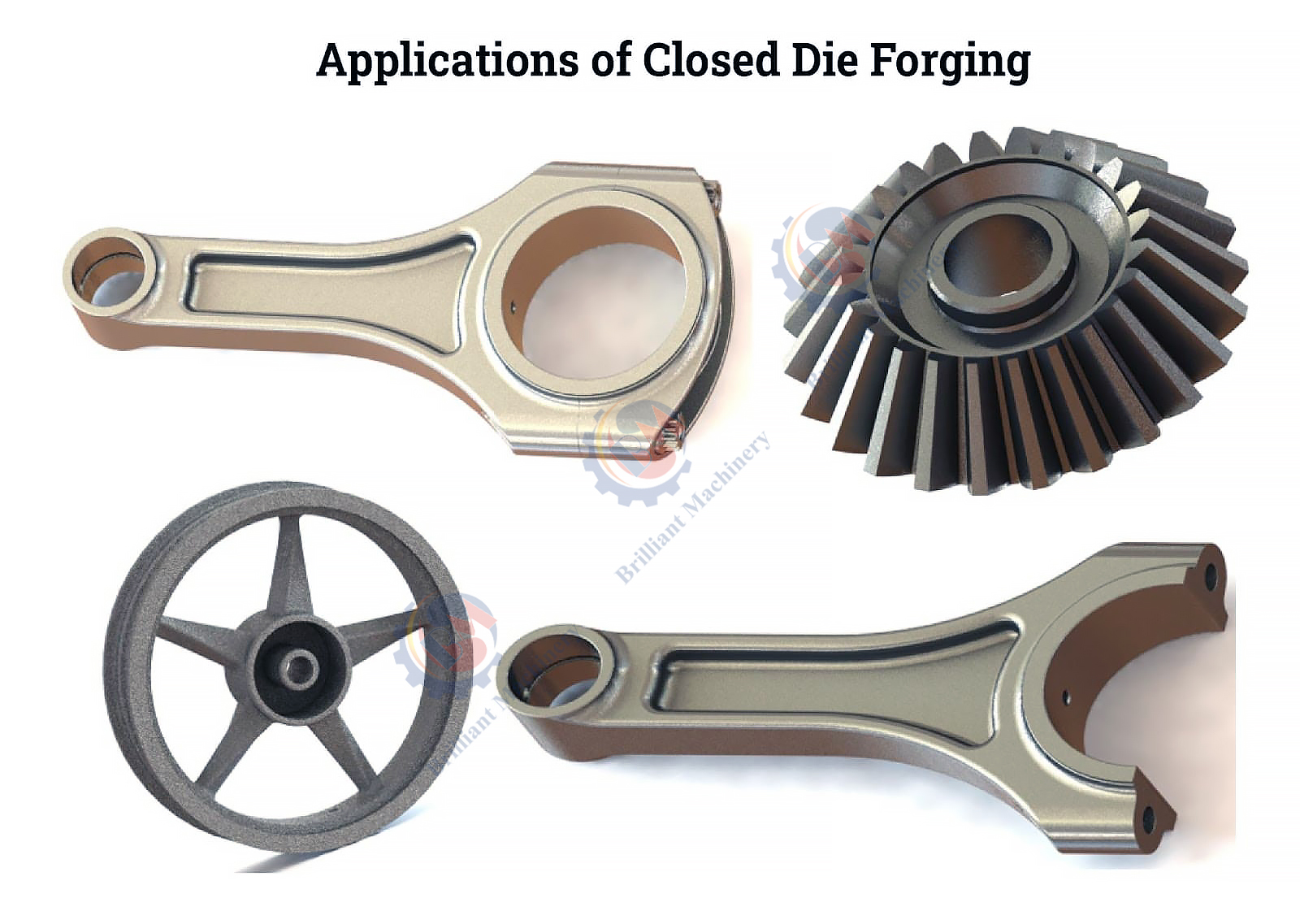
While CNC machining and casting have their specific places in the production line, when it comes to safety-critical parts—think automotive steering knuckles, aerospace landing gears, or high-pressure valves—Close Die Forging (also known as Impression Die Forging) remains the undisputed champion.
But why is this centuries-old method still dominating modern engineering in 2024? It’s not just about tradition; it’s about the physics of metal and the economics of volume.
Let’s dive into the technical realities and market shifts that make close die Forging a smart choice for your next project.
1. The "Secret Sauce": Grain Flow Alignment
If you ask any metallurgist why they prefer forging, they won't talk about surface finish first. They will talk about Grain Flow.
When you machine a part from a solid block (bar stock), you are cutting through the metal’s grain structure, essentially creating weak points. Casting, on the other hand, often results in a random, isotropic grain structure that can hide porosity.
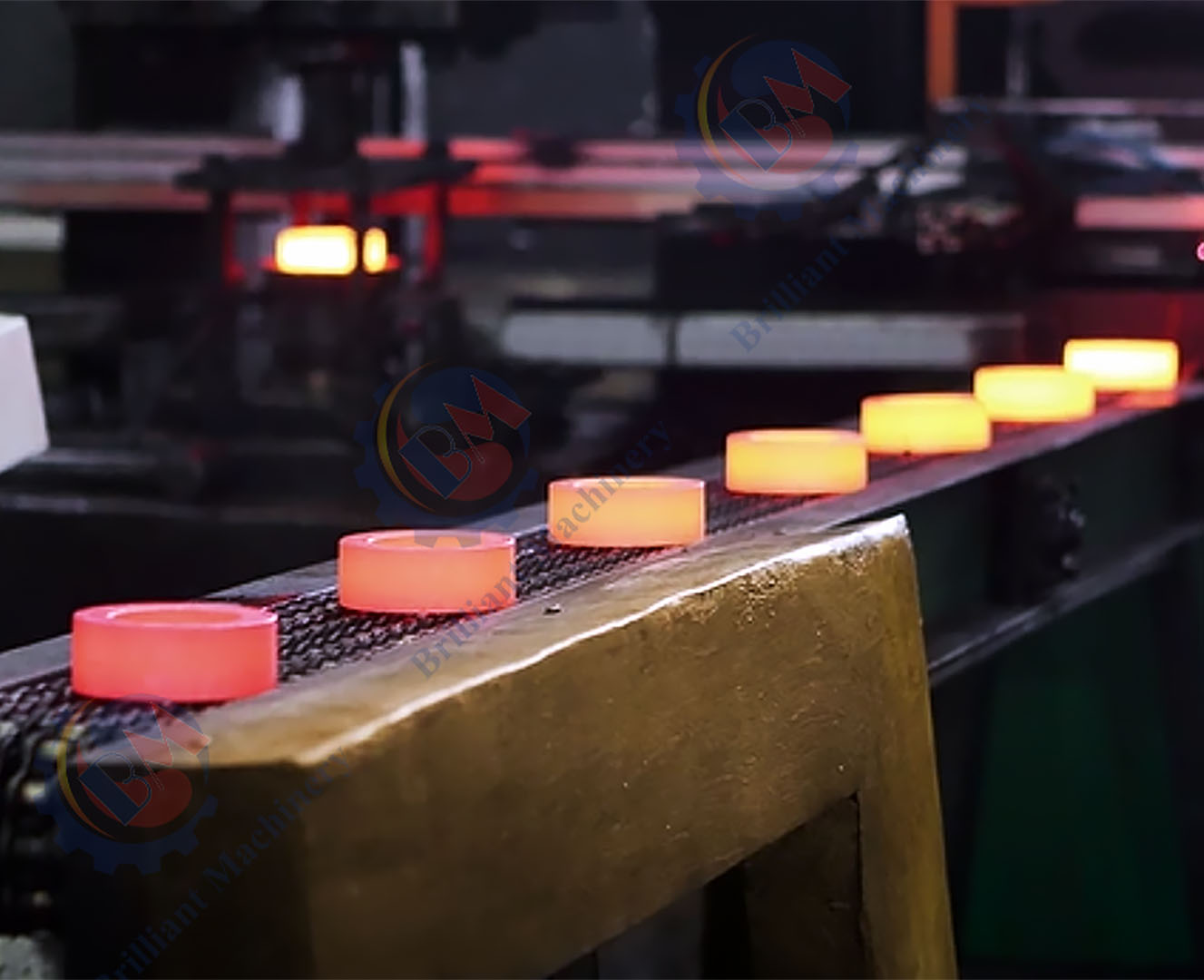
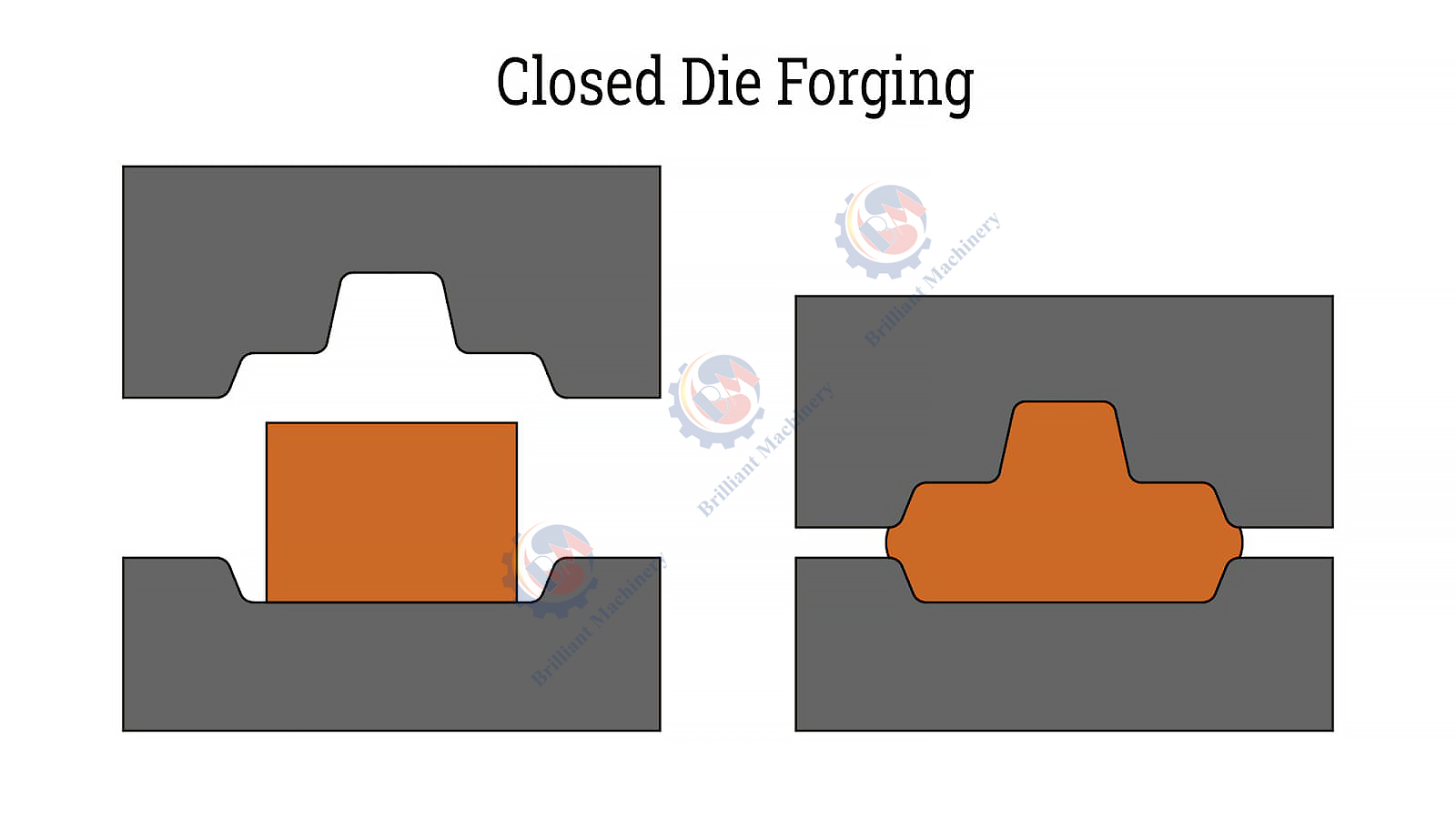
Close die forging is different. Under extreme pressure and heat, the metal flows into the shape of the die. The internal grain structure deforms to follow the contour of the part. This results in:
Superior Fatigue Resistance: The part can withstand cyclic loads much longer.
Impact Strength: It absorbs shock better without cracking.
The Bottom Line: If your part moves, rotates, or bears heavy loads, the internal integrity provided by close die forging is non-negotiable.
2. The Economics: Near-Net Shape & Material Waste
Raw material costs fluctuate. Whether it's steel, aluminum, or titanium, nobody wants to pay for chips that end up on the workshop floor.
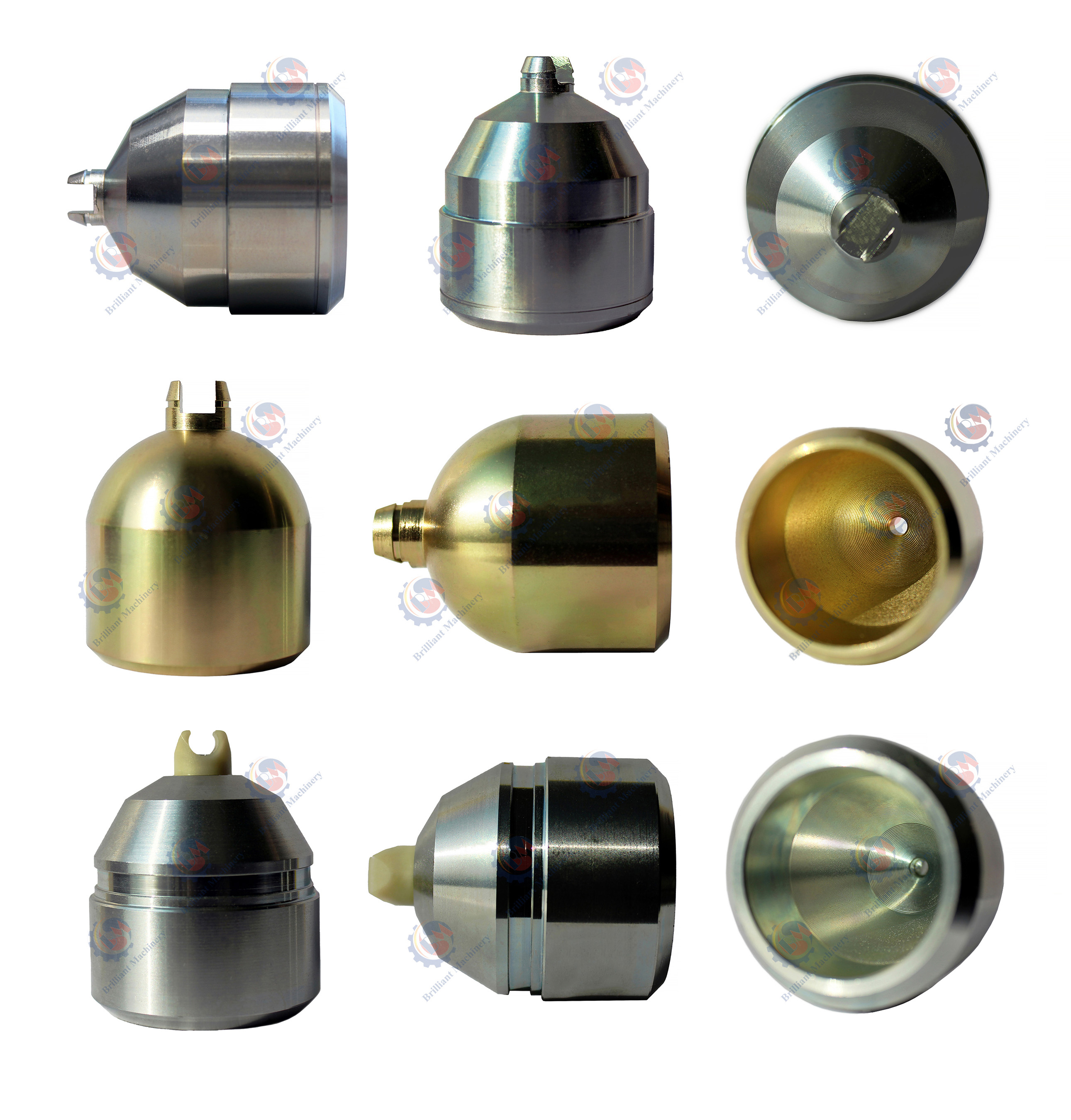
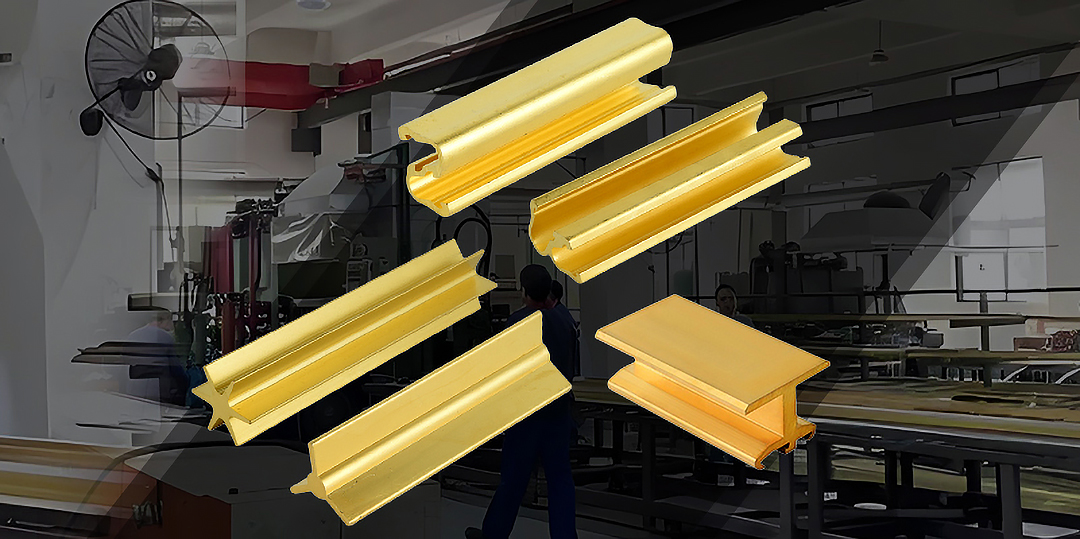
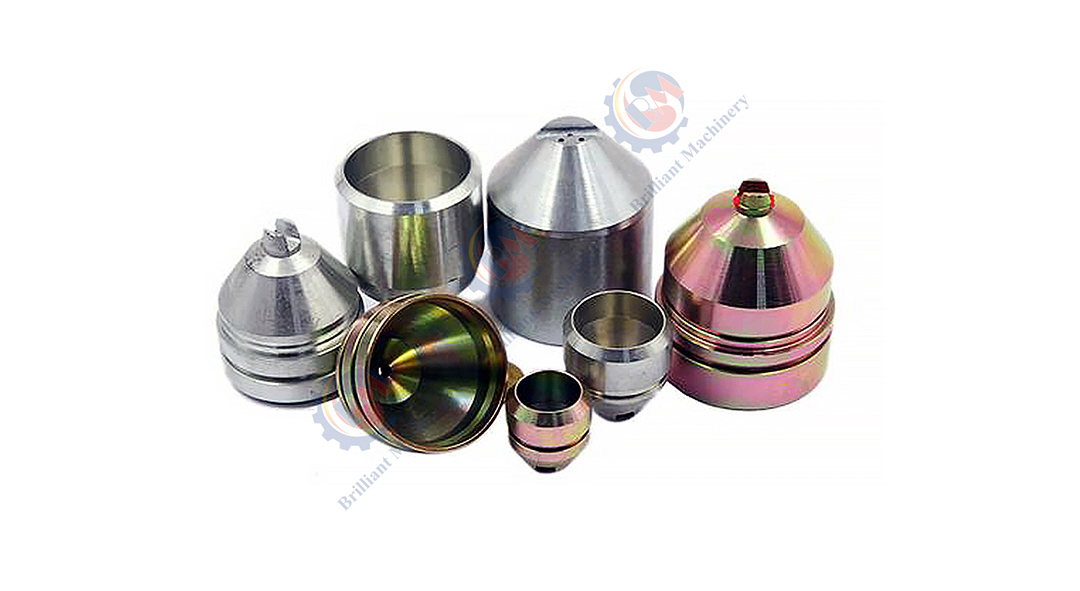
One of the biggest advantages we see at Shaanxi Brilliant Machinery Co., Ltd. is the ability to achieve Near-Net Shapes. Close die forging produces parts that are very close to the final dimensions.
Machining vs. Forging: A machined part might have a "buy-to-fly" ratio (raw material weight vs. finished part weight) of 3:1 or worse. Close die forging can bring that down to 1.2:1.
Production Speed: Once the dies are made, production rates are incredibly fast compared to machining complex geometries from scratch.
3. Let's Be Honest: The Barrier to Entry (Tooling Costs)
We believe in transparency. Is close die forging right for every project? Absolutely not.
The elephant in the room is Tooling Cost. Creating precision dies (the molds) requires hardened tool steel and precision machining. This is a significant upfront investment.
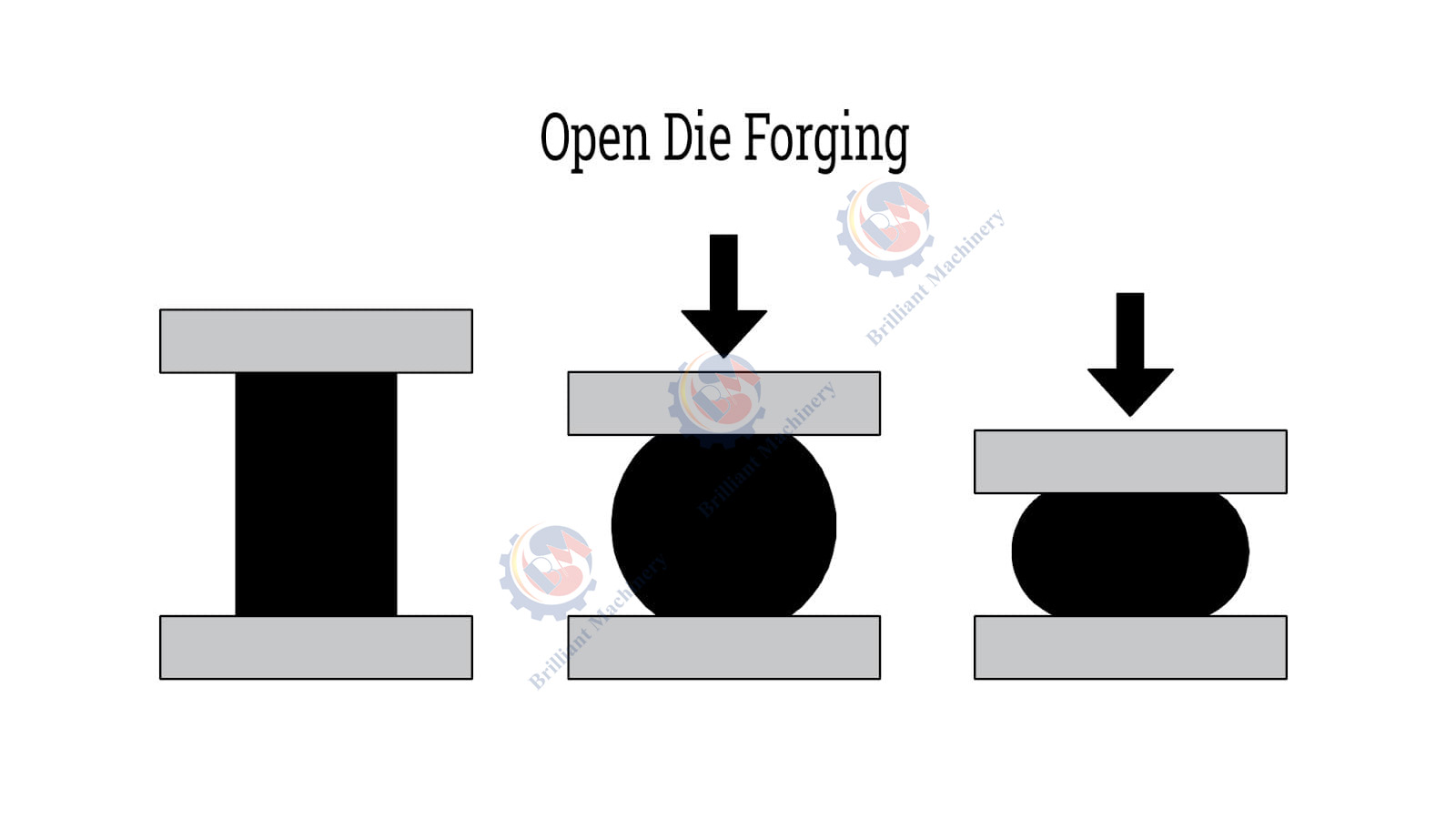
When it DOESN'T make sense: If you need 50 or 100 parts, the tooling cost will kill your unit price. Stick to open die forging or CNC machining.
When it DOES make sense: If you are looking at production runs of 1,000, 5,000, or 50,000+ pieces, the tooling cost is amortized quickly. The savings on material and cycle time will pay for the dies surprisingly fast.
4. Current Trends: It’s Getting More Precise
The image of a dirty, soot-filled forge shop is outdated. The industry is evolving. Here is what we are seeing on the manufacturing floor right now:
Simulation Software: Before we cut a single piece of steel, we use software (like DEFORM or QForm) to simulate how the metal will flow inside the die. This predicts defects like "laps" or "cold shuts" before they happen, ensuring your first batch is perfect.
Lighter Alloys: With the rise of EVs (Electric Vehicles), there is a massive push for forging Aluminum and Titanium alloys to reduce weight without sacrificing the strength needed for battery protection and suspension.
Conclusion: Making the Right Decision
Close die forging is a balance of high initial investment and low long-term unit cost, delivering a part quality that casting simply cannot match.
If you are currently sourcing cast parts and facing breakage issues, or machining parts and losing margin on material waste, it might be time to look at forging.
Not sure if your volume justifies the die cost?
Send us a drawing. At Shaanxi Brilliant Machinery Co., Ltd., we don’t just quote; we analyze the feasibility. If forging isn't the right fit for you, we’ll tell you. But if it is, we’ll help you build a stronger product.
Contact Our Engineering Team NOW!!!